Get Faux Finish Painting
Faux finish painting services help property owners enhance or transform interior and exterior surfaces by adding textured, decorative, or aged effects with the expertise of local contractors.
Faux finish painting services offer property owners an opportunity to add distinctive textures and visual interest to interior and exterior surfaces. Whether aiming to create a sophisticated marble look, aged plaster effect, or subtle color variations, these finishes can enhance the aesthetic appeal of a space. Property owners in the area might explore faux finishes to update a room’s style, increase curb appeal, or achieve a unique atmosphere that standard paint cannot provide. Exploring local contractors who specialize in these techniques can help ensure the desired results are achieved with professional craftsmanship.
When planning a decorative painting project, comparing options among local service providers can be a practical step. Many property owners seek experienced contractors who understand different faux finish techniques and can recommend styles that suit their property’s design. By exploring local professionals, property owners can gather information about available services and find experienced specialists capable of delivering quality results. Continuing to explore these options can help ensure the project aligns with aesthetic goals and property needs.
- Residential interiors - homeowners seeking decorative wall finishes to enhance living spaces can find local contractors specializing in faux finishes.
- Commercial spaces - businesses wanting to add unique texture or style to their interiors may hire service providers experienced in commercial faux painting.
- Feature walls - clients looking to create a focal point with textured or patterned walls can connect with local pros skilled in faux finish techniques.
- Accent areas - homeowners aiming to add visual interest to specific sections of a room often turn to local contractors for custom faux finishes.
- Renovation projects - those updating or remodeling spaces might seek local service providers to incorporate decorative faux finishes as part of the design.

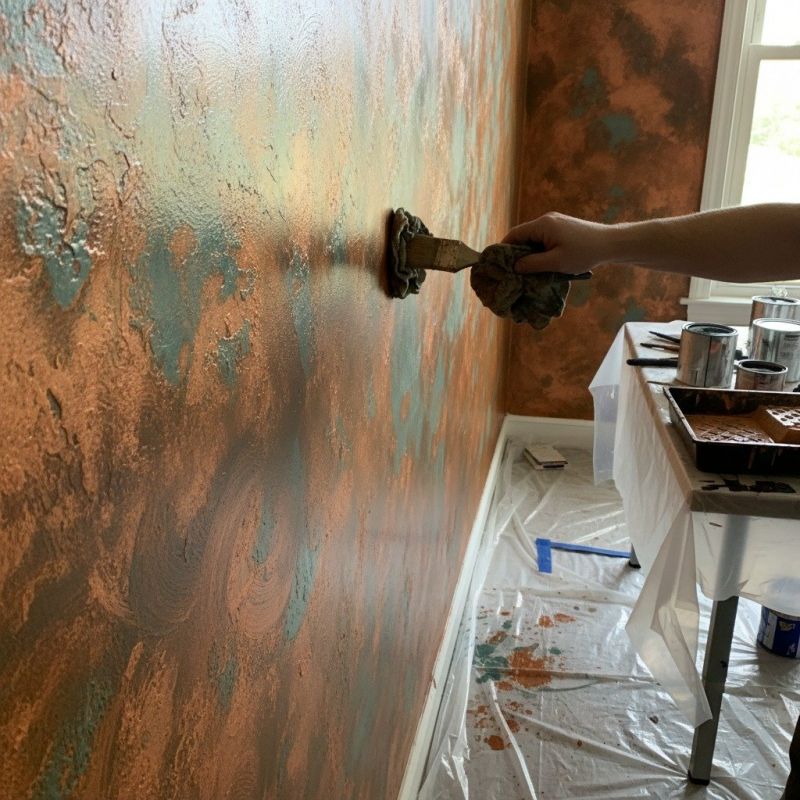
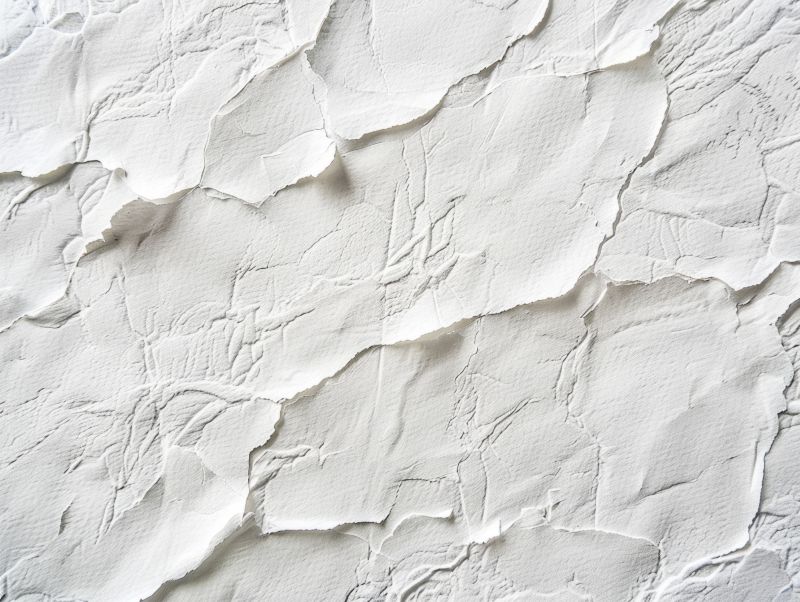
Faux finish painting services involve applying decorative techniques to walls and surfaces to create the appearance of texture, depth, or artistic patterns. This process often includes methods such as sponging, rag rolling, glazing, or stippling, which add visual interest and sophistication to interior or exterior spaces. Homeowners seeking to enhance the aesthetic appeal of a room or to give a space a more unique, customized look often turn to faux finish painting to achieve these artistic effects. Skilled service providers use specialized tools and techniques to produce a seamless, professional finish that elevates the overall design of a property.
Many common problems can be addressed with faux finish painting, especially those related to plain or outdated wall surfaces. For example, it can help hide imperfections like uneven textures, minor cracks, or discolorations that are difficult to repair or conceal with standard paint. Faux finishes also serve as a solution for those wanting to update the look of a room without undertaking extensive renovations. By adding a textured or patterned surface, homeowners can create a more dynamic and inviting atmosphere, which can be especially useful in spaces that feel flat or uninspired.
Faux finish painting services are often used in a variety of property types, including residential homes, apartments, and even some commercial spaces. In homes, they are popular in living rooms, dining areas, bedrooms, or entryways where a touch of elegance or personality is desired. Property owners might choose faux finishes to create a vintage, rustic, or luxurious ambiance that complements their interior design. These services are also suitable for remodeling projects, historic restorations, or updating rental properties to attract new tenants by adding visual interest without major structural changes.
Homeowners considering faux finish painting typically look for this service when they want to add character or sophistication to their spaces, or when they need to conceal surface flaws creatively. It can be an effective way to transform a plain wall into a focal point or to match a particular interior style. Service providers in the area can help evaluate the existing surfaces, recommend appropriate techniques, and execute the work with attention to detail. Contacting local contractors ensures access to experienced professionals capable of delivering quality results tailored to specific aesthetic goals.
The overview below groups typical Faux Finish Painting projects into broad ranges so you can see how smaller, mid-sized, and larger jobs often compare in your area.
In many markets, a large share of routine jobs stays in the lower and middle ranges, while only a smaller percentage of projects moves into the highest bands when the work is more complex or site conditions are harder than average.
Smaller Repairs - Faux finish painting for small areas or touch-ups typically ranges from $250 to $600. Many routine projects fall within this middle range, depending on the complexity and size of the space.
Medium Projects - Larger rooms or multiple surfaces can cost between $600 and $2,000. Local contractors often see many projects in this range, which balances scope and detail.
Whole Rooms or Accent Walls - Applying faux finishes to entire rooms or multiple accent walls generally costs from $1,000 to $3,500. Projects in this band are common for homeowners updating a space with decorative finishes.
Full Property or Custom Finishes - Extensive or high-end faux finish projects can reach $5,000 or more. Fewer projects push into this higher tier, typically involving complex techniques or large-scale renovations.
Actual totals will depend on details like access to the work area, the scope of the project, and the materials selected, so use these as general starting points rather than exact figures.
Murals and Decorative Wall Art - These projects require skill in creating textured and artistic finishes similar to faux painting techniques to enhance interior aesthetics.
Sponging and Rag Rolling Wall Finishes - Achieving textured and layered wall effects involves tools and planning comparable to faux finish applications for unique surface appearances.
Color Washing and Glazing Techniques - These methods involve applying translucent layers and subtle color transitions, utilizing similar skills and tools as faux finishing.
Venetian Plaster Applications - This decorative plastering shares planning and surface preparation techniques with faux finishes to create polished, textured surfaces.
Stenciling and Wall Patterning - Creating intricate patterns and textures on walls requires precision and planning akin to faux painting projects.
Textured Ceiling Finishes - Applying textured coatings to ceilings involves similar surface preparation and tool use as faux wall treatments for consistent results.
When evaluating potential contractors for faux finish painting, it’s important to consider their experience with similar projects. Homeowners should inquire about the types of finishes they have successfully completed and request examples or references that demonstrate their expertise in achieving the desired aesthetic. A contractor’s familiarity with different techniques and materials can impact the quality and longevity of the finish, so choosing someone who has a proven track record with comparable work can help ensure the results meet expectations.
Clear, written expectations are essential for a smooth project. Homeowners should seek service providers who can provide detailed descriptions of their approach, including the scope of work, types of finishes offered, and any preparations or post-project care involved. Having this information in writing helps prevent misunderstandings and provides a reference point throughout the project. It also allows homeowners to compare different contractors based on how well they communicate their process and set realistic expectations.
Reputable references and good communication are key indicators of a reliable service provider. Homeowners are encouraged to ask for contact information for previous clients or review any testimonials available. Good communication involves timely responses, clarity in explanations, and a willingness to answer questions. These qualities can give confidence that the contractor will be attentive to the homeowner’s needs and maintain transparency throughout the project. The site simply introduces homeowners to local options, helping them connect with qualified service providers capable of handling faux finish painting projects, rather than performing the work itself.
Property owners use Faux Finish Painting services for practical projects around their homes and businesses. This guide focuses on everyday jobs and straightforward project options.
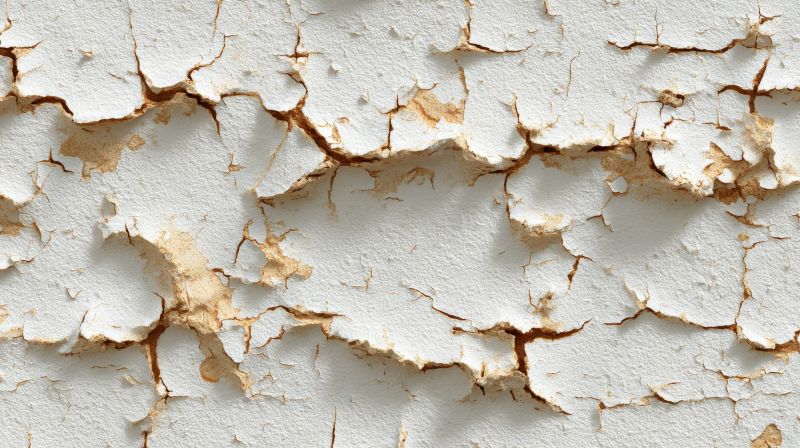
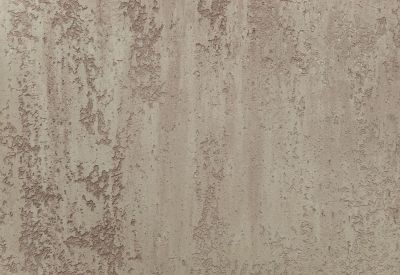
Faux finish painting is a popular choice for property owners looking to enhance the visual appeal of interior and exterior spaces. Whether updating a living room, kitchen, or outdoor feature, many seek the expertise of local contractors to add textured, decorative finishes that mimic materials like marble, stone, or wood. These services are often requested during home renovations, remodeling projects, or when aiming to refresh outdated surfaces with a stylish, sophisticated look.
Property owners might also look for faux finish painting to cover imperfections or to create a unique ambiance that standard paint cannot achieve. Local service providers can help achieve these decorative effects for various projects, from accent walls to entire rooms, providing a creative touch that elevates the overall aesthetic. Connecting with experienced local contractors ensures the work is tailored to specific design goals and property needs.
What is faux finish painting? Faux finish painting is a decorative technique that creates the appearance of textures, patterns, or materials such as stone, marble, or wood on walls and surfaces, enhancing interior aesthetics.
What types of faux finishes are commonly available? Common faux finishes include rag rolling, sponging, glazing, and color washing, each offering different textures and visual effects to suit various design preferences.
Can faux finish painting be applied to different surfaces? Yes, faux finishes can be applied to a variety of surfaces including drywall, plaster, and sometimes wood or furniture, depending on the specific technique and surface condition.
Are there any surfaces or areas where faux finish painting should be avoided? Faux finishes are generally not recommended for high-moisture areas like bathrooms or kitchens unless properly sealed, as moisture can affect the durability of the finish.
How do local contractors ensure a high-quality faux finish? Local service providers use specialized tools, techniques, and high-quality materials to achieve the desired decorative effects and ensure a professional appearance.
Enhance Interior Walls - Use faux finish painting to add depth and character to living rooms, bedrooms, or hallways with creative textures and subtle color variations.
Update Exterior Surfaces - Improve curb appeal by applying decorative finishes to exterior walls, fences, or shutters for a fresh, stylish look.
Accent Specific Areas - Create focal points by highlighting feature walls or architectural details with unique faux finishes that complement existing decor.
Revitalize Old Surfaces - Cover up imperfections or outdated finishes on surfaces like cabinets or fireplaces to refresh their appearance with decorative techniques.
If you are thinking about Faux Finish Painting for a property, this guide is meant to help you understand the work, the typical project types, and how different options might fit your plans.
When you are ready, you can use the quote form on this page to share a few details about your project. From there, local pros can review the basics and respond with options that match what you have in mind.